

Positive signals for Vietnam's rice exports
Article content
Domestic and imported rice prices in the Philippines are warming up and are forecast to continue rising due to increased transportation costs from farms to consumer markets following rising fuel prices. According to Philippine media, domestic rice prices increased by approximately 2 pesos/kg last week due to higher transportation costs driven by oil prices. Meanwhile, imported rice prices also increased by 20-50 USD/ton, causing retail rice prices to rise (from 21,000 VND/kg to 26,000 VND/kg).
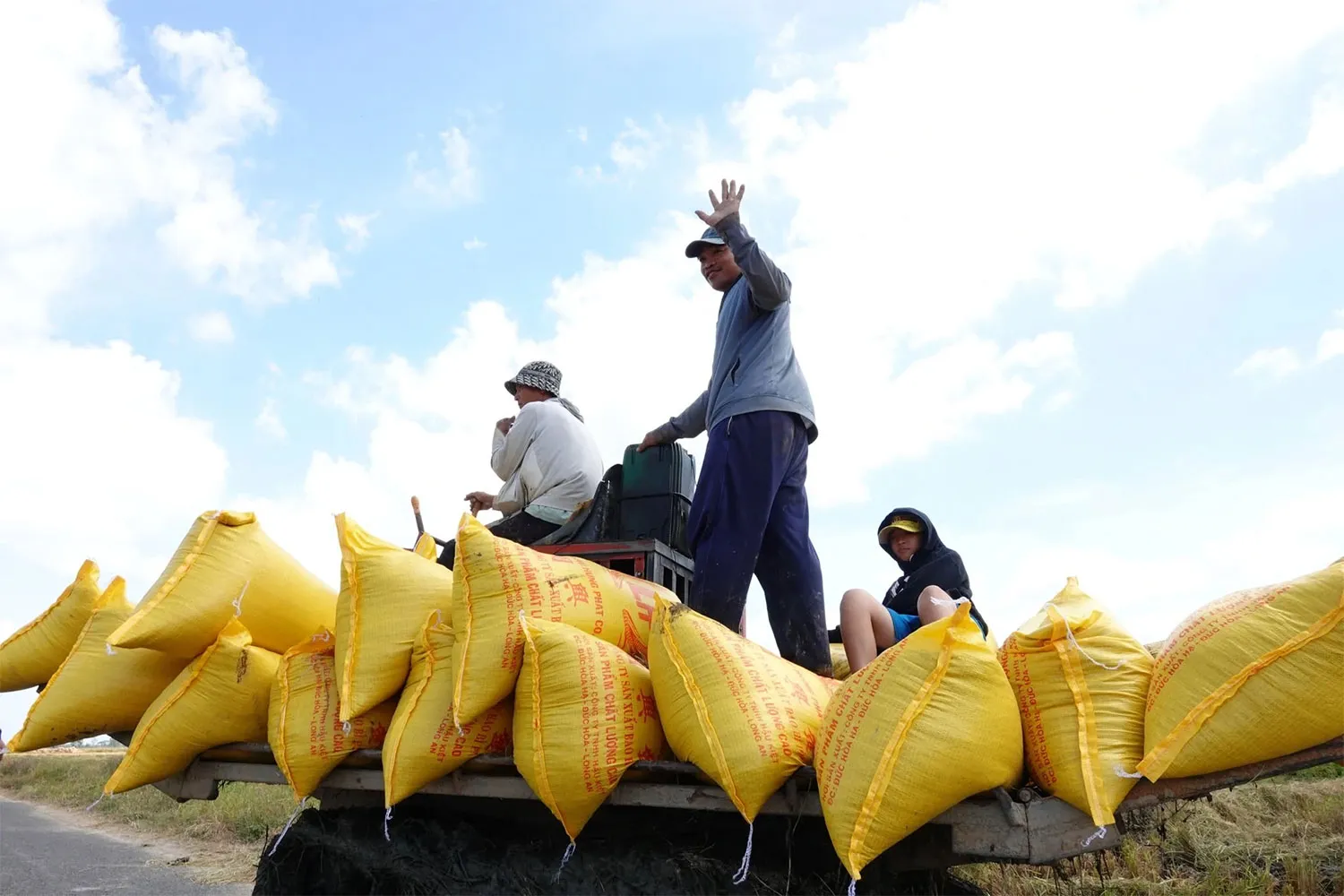
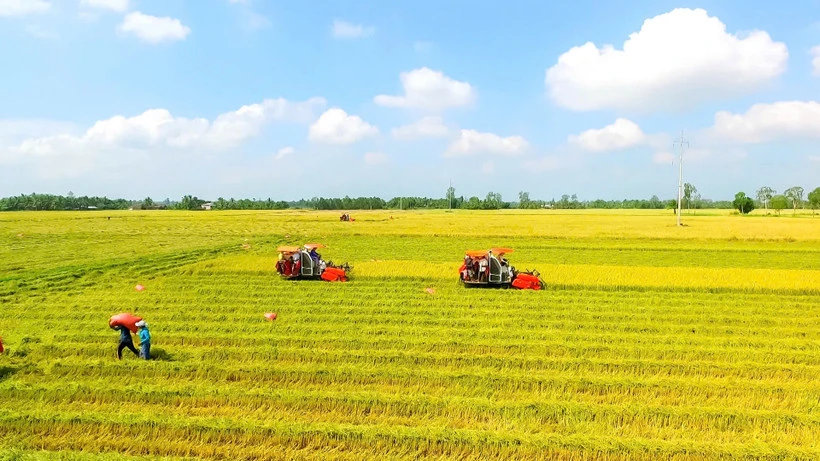
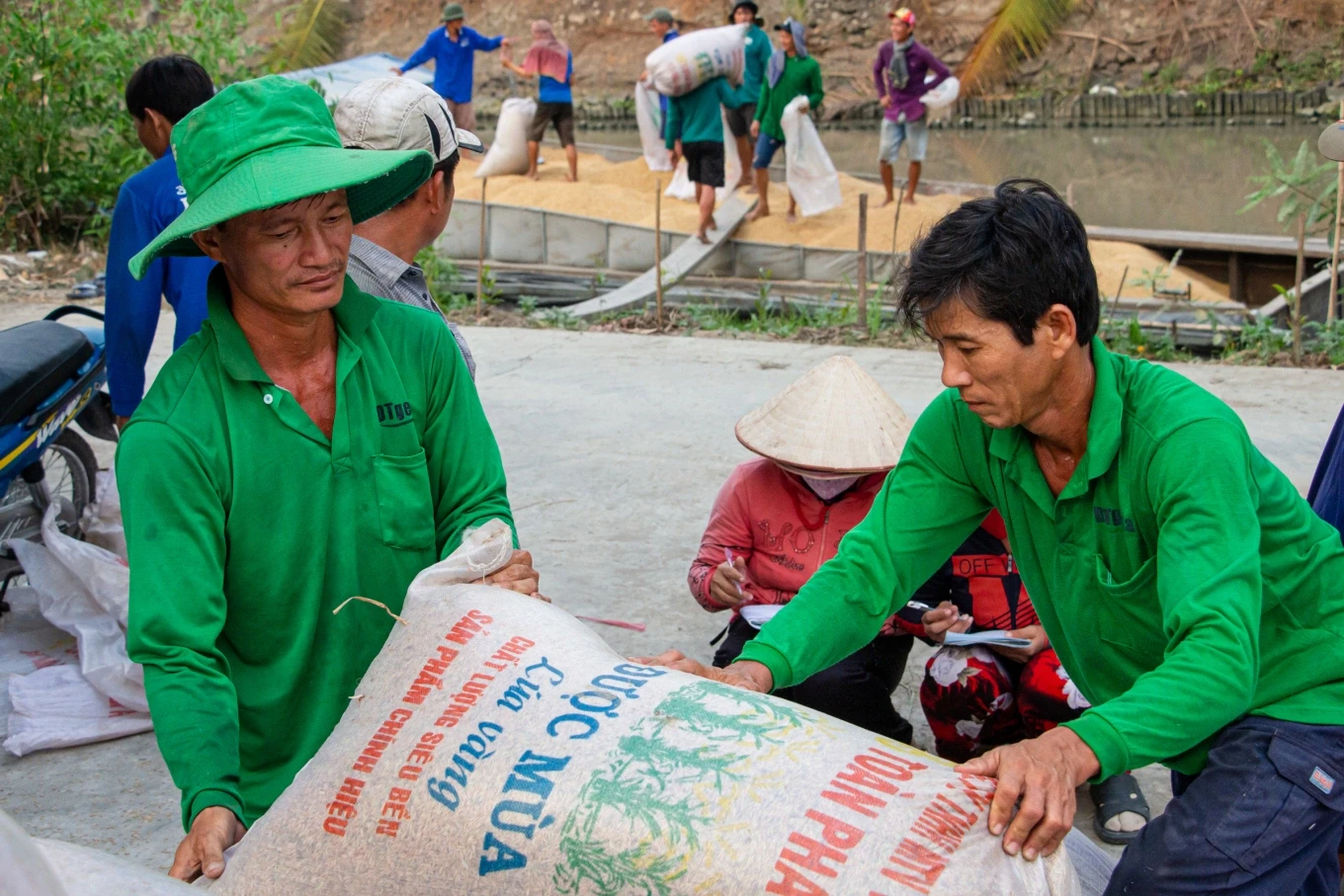
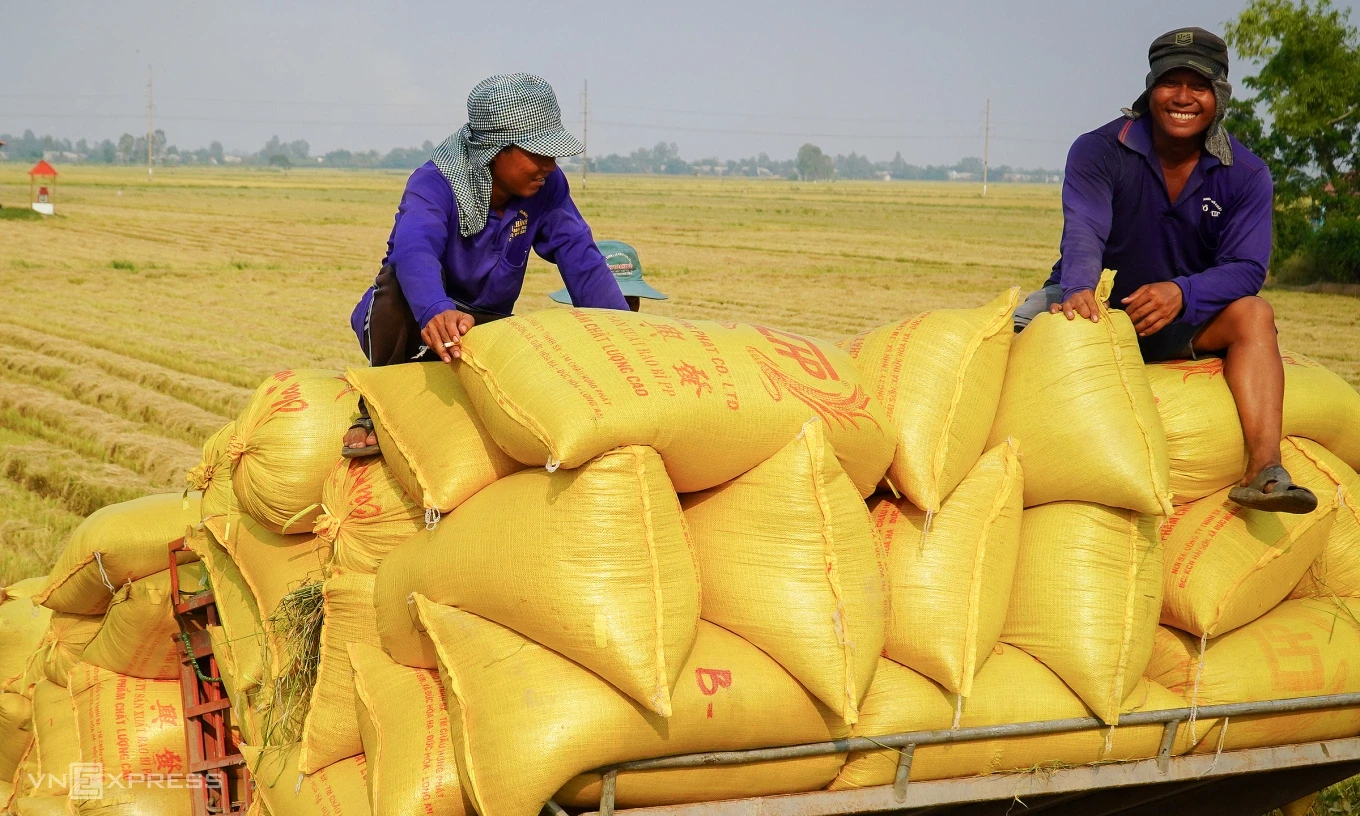
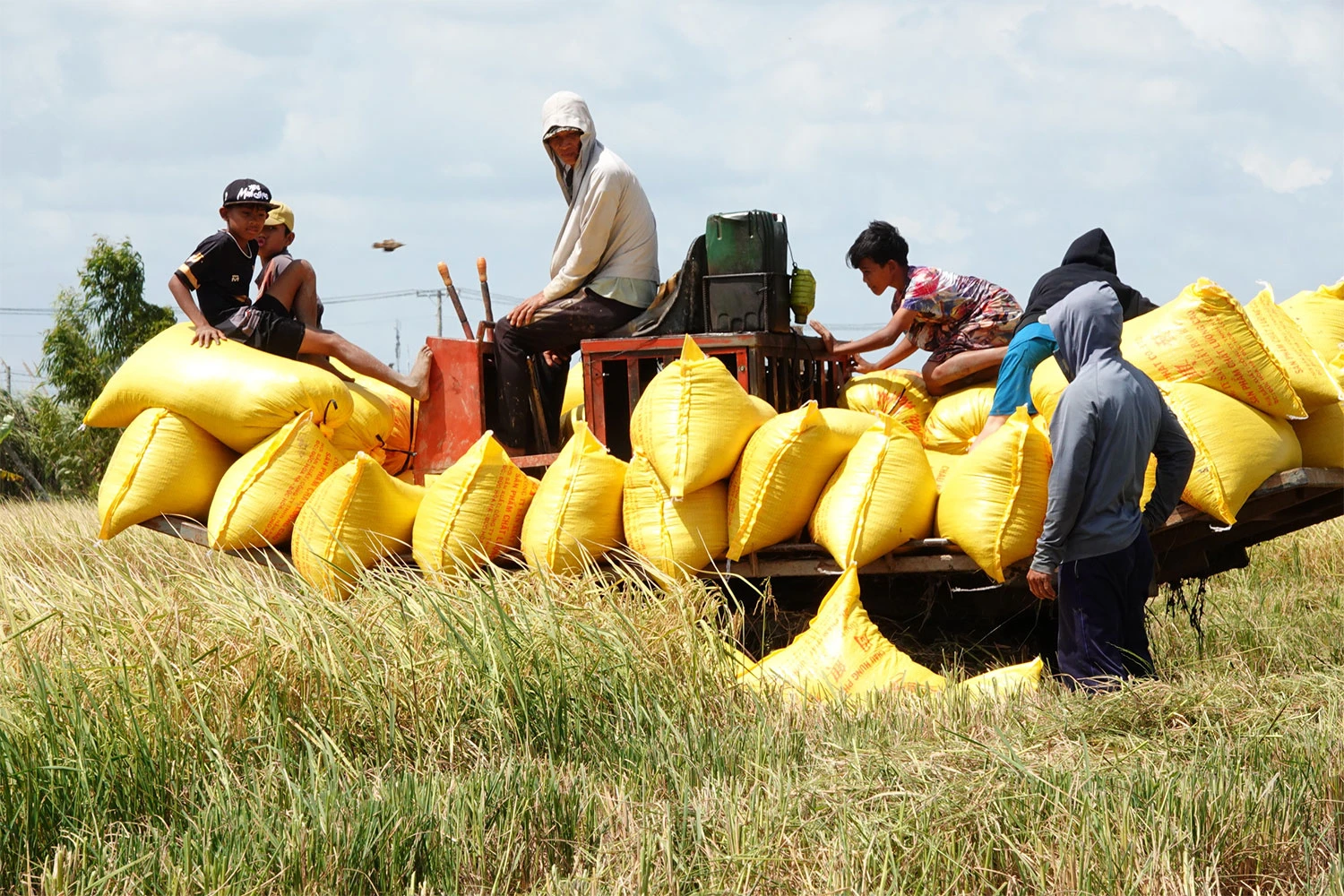
The rice export market is booming as farmers in the Mekong Delta enter the peak harvest season for the winter-spring rice crop. PHOTO: DUY TAN
To increase market stability and curb inflation, the Philippine Department of Agriculture (DA) is proposing a series of solutions to stabilize the market, such as increasing the sale of price-stabilized rice, applying a retail price ceiling to imported rice… Meanwhile, the National Food Authority (NFA) wants to sell rice directly to farmers.
According to rice export businesses in the Mekong Delta, the increase in rice prices in the Philippine market will create favorable conditions for farmers in that country to earn good profits. Besides, this also signals a corresponding increase in demand for rice imports from Vietnam, especially with concerns about continued increases in transportation costs due to rising fuel prices. Therefore, Philippine businesses are also actively importing the permitted quantities.
Meanwhile, a business in Ho Chi Minh City said it is seeking export opportunities at a trade fair in China. Since the beginning of the year, the Chinese market has been increasing its rice imports from Vietnam due to the current favorable prices. This is the main reason why Chinese businesses are increasing their imports of Vietnamese rice.
In the first two months of this year, the Philippines remained the main market for Vietnamese rice, with China ranking second. In addition, another traditional market, Malaysia, has also seen a resurgence in imports.
Năm 2026, Philippines dự kiến nhập khẩu khoảng 3,8 triệu tấn gạo để phục vụ nhu cầu tiêu thụ nội địa. Trong 2 tháng qua, nước này đã nhập khẩu 820.000 tấn, cao hơn 220.000 tấn so với kế hoạch và tăng đến 49% so với cùng kỳ năm trước. Có đến 87% lượng gạo nhập khẩu của Philippines đến từ Việt Nam.
Source: https://thanhnien.vn/